Skip to content

Diabetes: foods you should eat daily

  • by

Managing diabetes goes beyond medication. What you eat directly influences your blood sugar, energy, and long-term health. Choosing the right foods helps stabilize glucose, prevent spikes, and protect against complications. Fiber Is Your Friend Fiber… 

Digestive issues: simple fixes for a happier gut

  • by

Digestive discomfort—bloating, gas, constipation—can disrupt daily life. The good news is that small changes in diet and routine can bring big relief. Fiber Balances Digestion Fiber keeps things moving and feeds good gut bacteria. Fruits,… 

Blood pressure: daily tips for a healthier heart

  • by

High blood pressure often develops silently, but its long-term risks include heart attack and stroke. Small daily choices can make a major difference. Cut Back on Salt Excess sodium causes fluid retention, raising blood pressure.… 

Hair loss: how to prevent it naturally

  • by

Hair loss can be stressful, especially when it feels like there’s nothing you can do to stop it. While genetics do play a role, lifestyle, nutrition, and everyday habits have just as much influence on… 

How to keep your vision sharp as you age

  • by

Maintaining clear, sharp vision as you age isn’t just about genetics—it’s also about adopting a lifestyle that supports eye health. With the right habits and a little extra care, you can protect your sight and… 

6 Worst and best foods for erectile dysfunction

6 Worst and best foods for erectile dysfunction What food can help you with ED? Erectile dysfunction is a condition in which men have trouble getting or keeping an erection, which ruins the love life… 

Food for 20/20 vision. Nourishing your eyes naturally

  • by

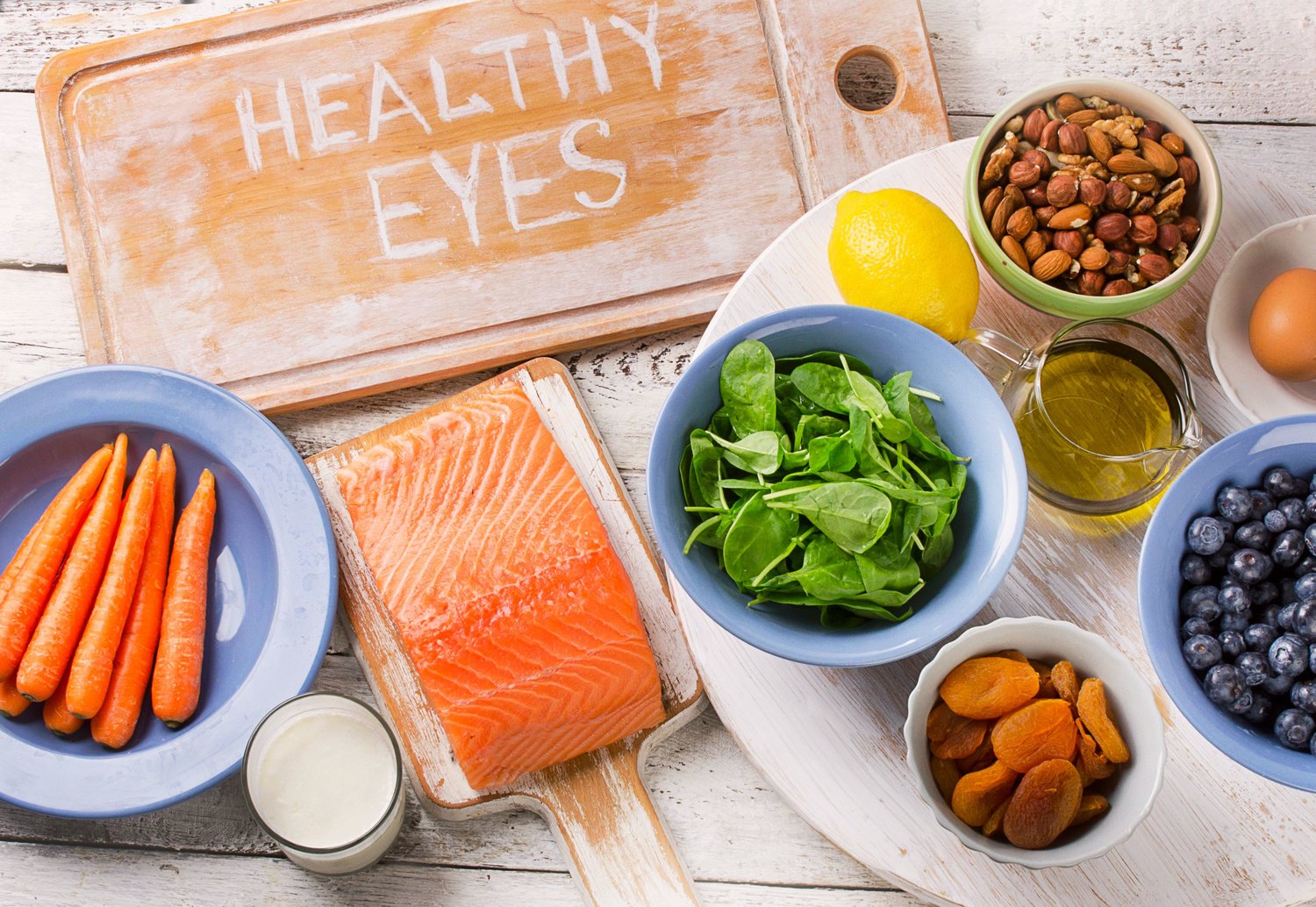
Maintaining good vision is vital for overall well-being. While genetics play a role, diet significantly impacts eye health. Certain foods are packed with nutrients that support vision and prevent age-related eye diseases.   Key Nutrients… 

Common allergy. Symptoms and indicators

  • by

Around 20% of people develop allergies, caused by immune reactions to harmless substances called allergens. Symptoms range from mild sneezes to severe anaphylactic shock. The best way to manage allergies is to avoid allergens. Here’s…